
A Transformational Men's Brotherhood · Since 2018
Some men lead.
Some men perform.
The Sacred Kings
are something else entirely.
An online brotherhood of men doing real transformational work — on themselves, in their relationships, and in the world.
Who We Are
What The Sacred Kings Actually Is
We are not a course. We are not a podcast. We are not a self-help subscription.
The Sacred Kings is a living brotherhood of men who meet weekly, go deep, and hold each other accountable — not with judgment, but with presence. The kind of presence that only happens when real men, in real relationship, commit to something larger than themselves.
We have been doing this work since 2018. The men who stay don't stay because it's easy. They stay because nothing else has come close.
CoachingAvailable
OversightAccountability Built In
The Sacred Kings Arc™
How the Work Moves
Every month follows the same four-step transformational cycle — designed to take you deeper each time you move through it.
Arrive with intention. Name your edge for the month. Declared out loud — witnessed by brothers who will hold you to it.
A guided journeying experience to surface the limiting patterns and beliefs operating beneath your awareness.
Having faced what held you back, you turn toward what's possible. New capacities and awarenesses become available.
Integration. Embodiment. The breakthrough doesn't stay in the session — it lands in your body and your life.
Three themes rotate monthly: Sacred Intimacy · Sacred Livelihood · Sacred Kingdom
How Men Join
There Is a Place for You Here
Start for Free
Join our Facebook Group. Read. Engage. Let us see how you think and what you care about. This is where brotherhood begins — and where we begin to know you.
Free · AlwaysExperience It Live
Once a month we open our doors to men who want to feel this work before committing to it. A fully live 2-hour session — same depth as our weekly brotherhood. Your $27 is credited toward your first month of membership.
$27 · Monthly Open EventApply for Membership
Active membership is not open enrollment. It is applied for, reviewed, and offered to men we believe are ready. Weekly live calls. Recorded sessions. Private community.
$108/month · 6-month commitmentBrotherhood Transformations
What the Men Say
Joining the Sacred Kings wasn't just a decision — it was an answer to a call from within. My journey through self-discovery here has been profound. This is more than a group; it's a sanctuary where I've rediscovered myself.
I was skeptical about online men's groups. This isn't touchy-feely. It's precision work with men who are serious about growth. The facilitation is unlike anything I've experienced.
The metamorphosis I've experienced is beyond words. In this sacred circle I found safety and support that empowered me to emerge stronger, more whole, and deeply connected.
What We Offer
Our Sacred Offerings
Live weekly sessions, recorded for members, private portal community, daily brotherhood connection, and the ongoing Sacred Kings Arc™. This is the heart of everything we do.
Learn More →Mission, Vision & Purpose. For men ready to stop drifting and start leading from clarity.
Learn More →Deep personal work on the places where men most often cause harm or shut down. Transformation, not technique.
Learn More →A ceremonial deep dive through the Warrior, Lover, Magician, and King archetypes. For men done performing masculinity and ready to embody it.
Learn More →A structured accountability framework for men doing transformational work in the world. Not a badge to collect — a commitment to uphold.
Learn More →On the Name
Why Sacred Kings?
When the No Kings protests emerged in 2025, we received immediate pushback on our name — chosen through deliberate research years before any political movement made the question charged. We didn't change it. We leaned in.
It is the Mature King.
And the Mature King is exactly what we are building here."
See the Work
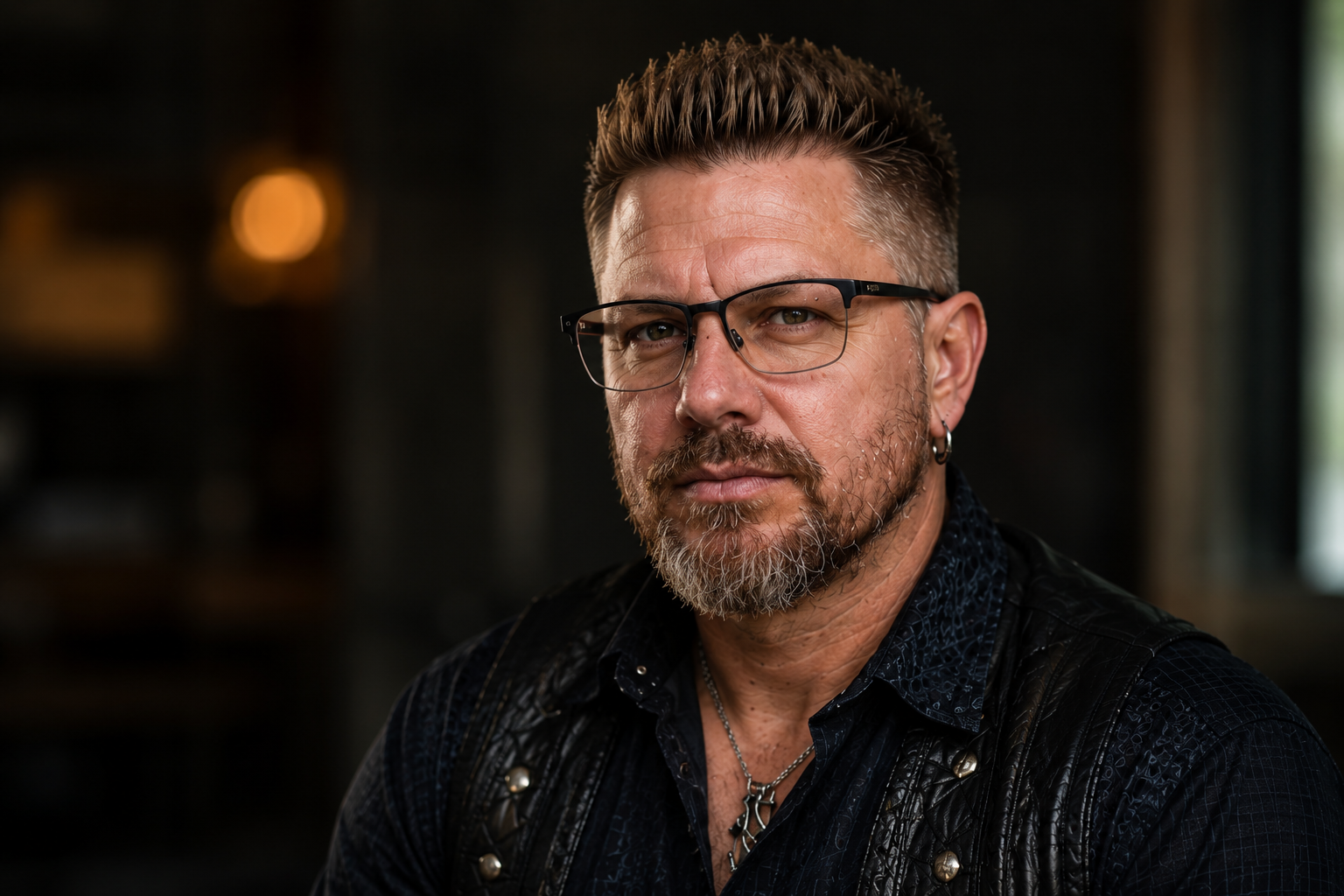
Hear From Shiva J
Free Gift
Download the Shadowork Journal
Explore the depths of your shadow self with this transformative journal. Sign up and start your journey of self-discovery today.
Recent from the Articles
Latest Insights
There was a time when confidence felt like a distant dream — something other men had and I didn't. Here's what changed...
Why language matters when we talk about power, masculinity, and leadership. The archetypal argument for the Mature King...
Understanding the Warrior, Lover, Magician, and King — and how they show up in your daily relationships and choices...